
THE POWER OF PLACEMAKING
by Beth mairs
ACCOUNT MANAGER
In a world where so much of our time is spent online, real-world experiences still matter
The experiences people remember most are rarely the ones they have alone.
In March this year, I visited Japan and the country was exactly as people describe it, busy, visually striking and full of contrast. Cherry blossoms lined city streets, quiet temples sat beside towering skyscrapers and the whole trip was incredible!
However, as impressive as the scenery was, the one thing that stayed with me the most was the way people experienced it together.
The search for connection
During my time in Japan, I kept noticing the same pattern: despite coming from different countries, cultures, and backgrounds, everyone visiting was searching for the same thing. We all wanted to experience the places we had heard about. We wanted to go to the spaces that promised wonder, emotion, calm, excitement or connection.
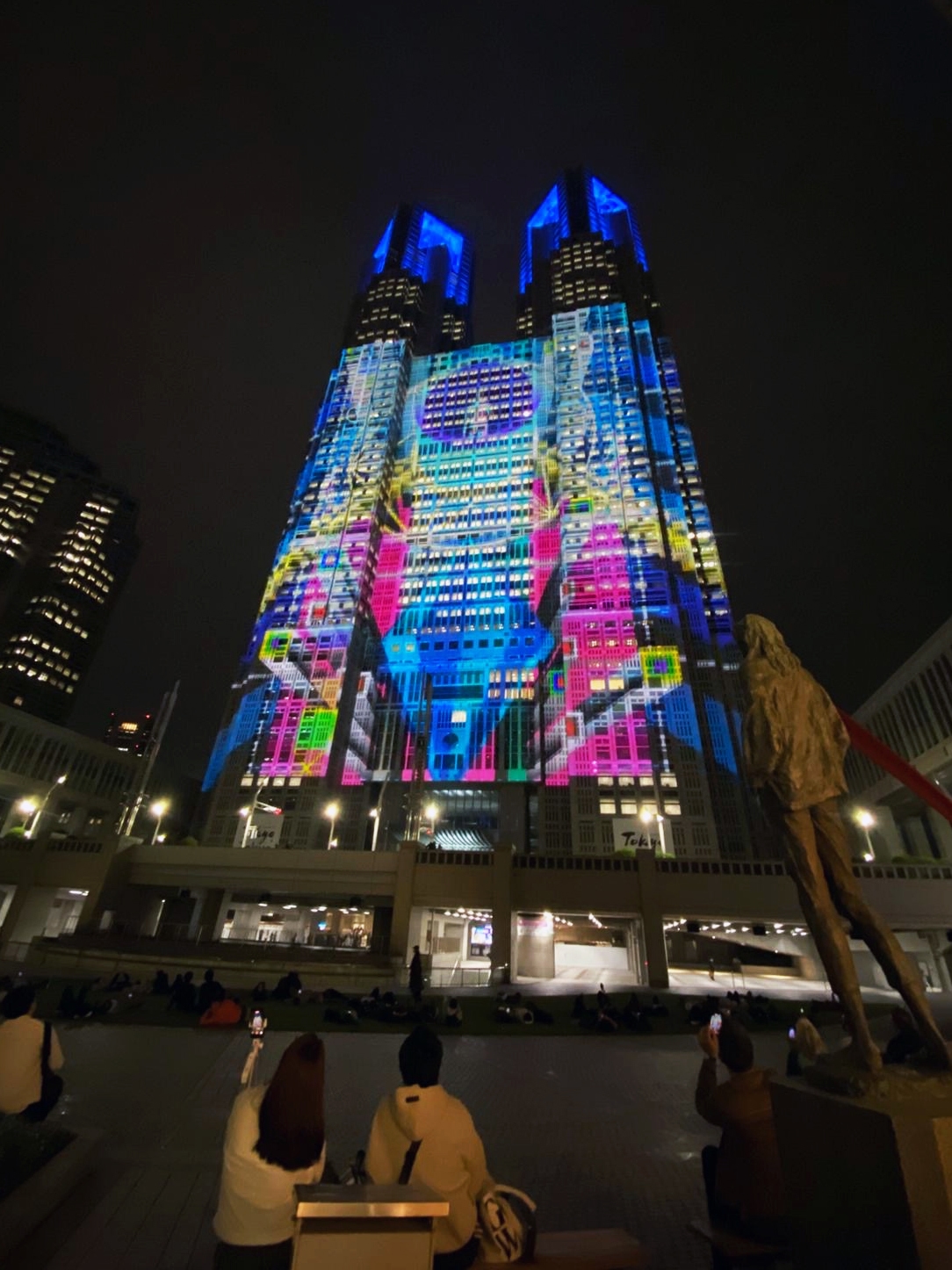
The first time I truly noticed it was at the Tokyo ‘Night & Light’ exhibition projected onto the Tokyo Metropolitan Government Building in Shinjuku. Multiple people gathered, sitting silently and staring upwards as light and sound transformed the building into something immersive and emotional.
For a few minutes, everyone was connected through a shared experience. Every person there understood that they were witnessing something memorable, something they would later tell friends about, post online, or carry with them long after the trip ended. It was clear that someone had imagined how the building could be more than a static landmark, but instead somewhere people could come to and get lost in.
Designing spaces people want to stay in
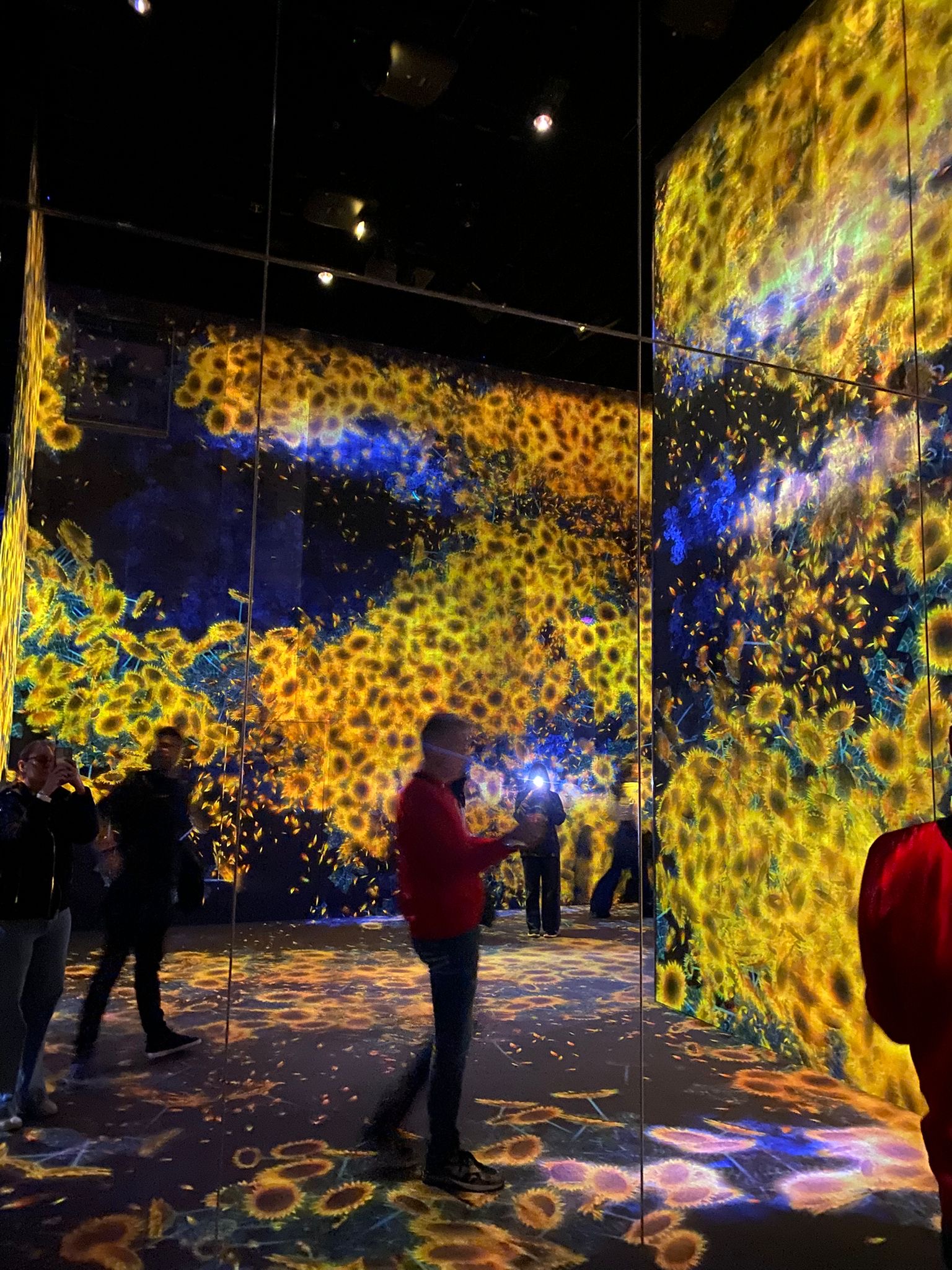
I noticed the same thing at teamLab Borderless in Tokyo.
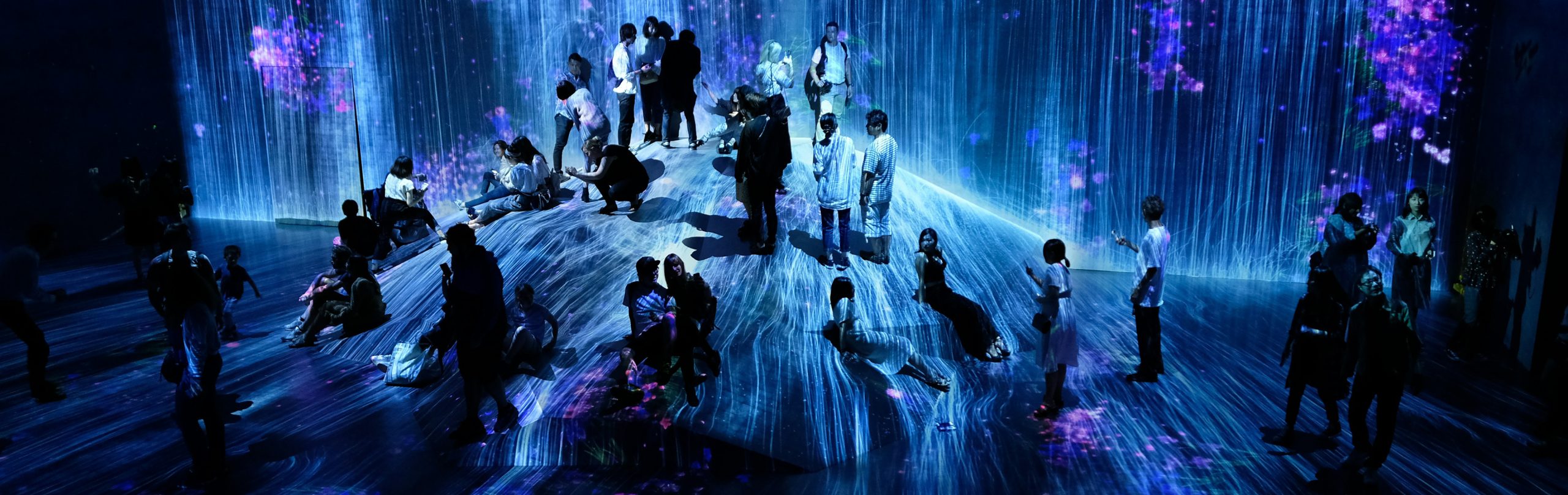
While every room in the exhibition was visually incredible, there was one installation that drew people together. The room was filled with flowing light displays that transformed continuously into flowers, plants, and natural landscapes. Visitors sat quietly on the floor, surrounded by moving colour and sound.
Despite the volume of people in the space, it felt calm, peaceful and almost meditative.
What fascinated me was how naturally the environment encouraged behaviour. The design of the space invited people to slow down, stay longer and experience the moment together. It wasn’t just visually impressive, it was emotionally intelligent and it was clear that the company had imagined specifically how the space should make visitors feel and did not only chase viral visuals.
That is the power of placemaking.
“The best spaces do more than attract visitors. They shape emotion, encourage interaction, and create stories people want to share. Whether it’s an exhibition, a retail environment, a public activation or a hospitality venue, the environments we create influence how people feel and ultimately whether they remember the experience. However, it’s imagination that makes the difference the ability to envision not just what a space can look like, but how it could make people feel, behave, and connect in ways they’ll remember.“
Devil is in the detail
Even the smallest details contribute to this.
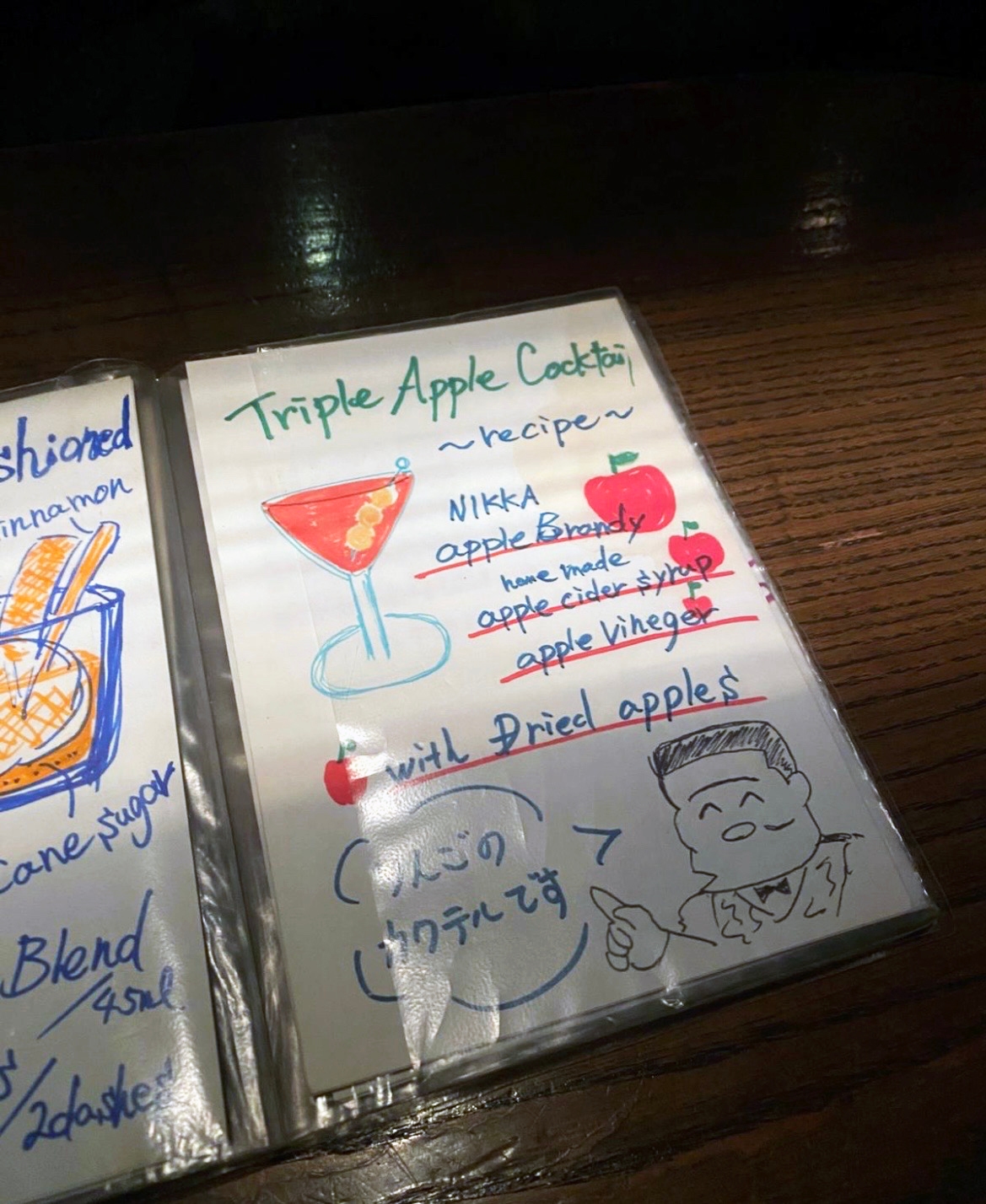
One of the clearest examples came from a small bar we visited later in the trip. Every menu was hand-drawn, complete with illustrations of ingredients and visual depictions of how each drink would be served.
The hand-crafted menus communicated care, personality and pride before a single drink had even arrived. It reminded us that there was a human being behind the experience and that someone was passionate enough to invest time into creating something thoughtful and personal.
That human touch changed how we engaged with the space. We paid more attention, we appreciated the drinks more and we became more emotionally invested in the experience itself. It again demonstrated how imagination had taken something very common, a menu, and transformed it from being just a sheet of information into something memorable which combined functionality and artistry.
My key takeaways
- What if every space we created began not with what’s expected, but with what’s possible? That’s how ordinary places become unforgettable experiences.
- People don’t just remember products, campaigns, venues, or destinations, they remember how those things made them feel.
- The most successful brands and places understand that human connection cannot be automated. It comes from intentional design, storytelling, sensory experiences and creating moments people genuinely want to share with others.
- The strongest marketing doesn’t simply capture attention, it creates emotional connection, shared identity, and memorable experiences people carry with them long after the moment has passed.